Address
Calle Gava, 25
Barcelona, Spain
Work Hours
Monday to Friday: 7AM - 7PM
Weekend: 10AM - 5PM
Address
Calle Gava, 25
Barcelona, Spain
Work Hours
Monday to Friday: 7AM - 7PM
Weekend: 10AM - 5PM

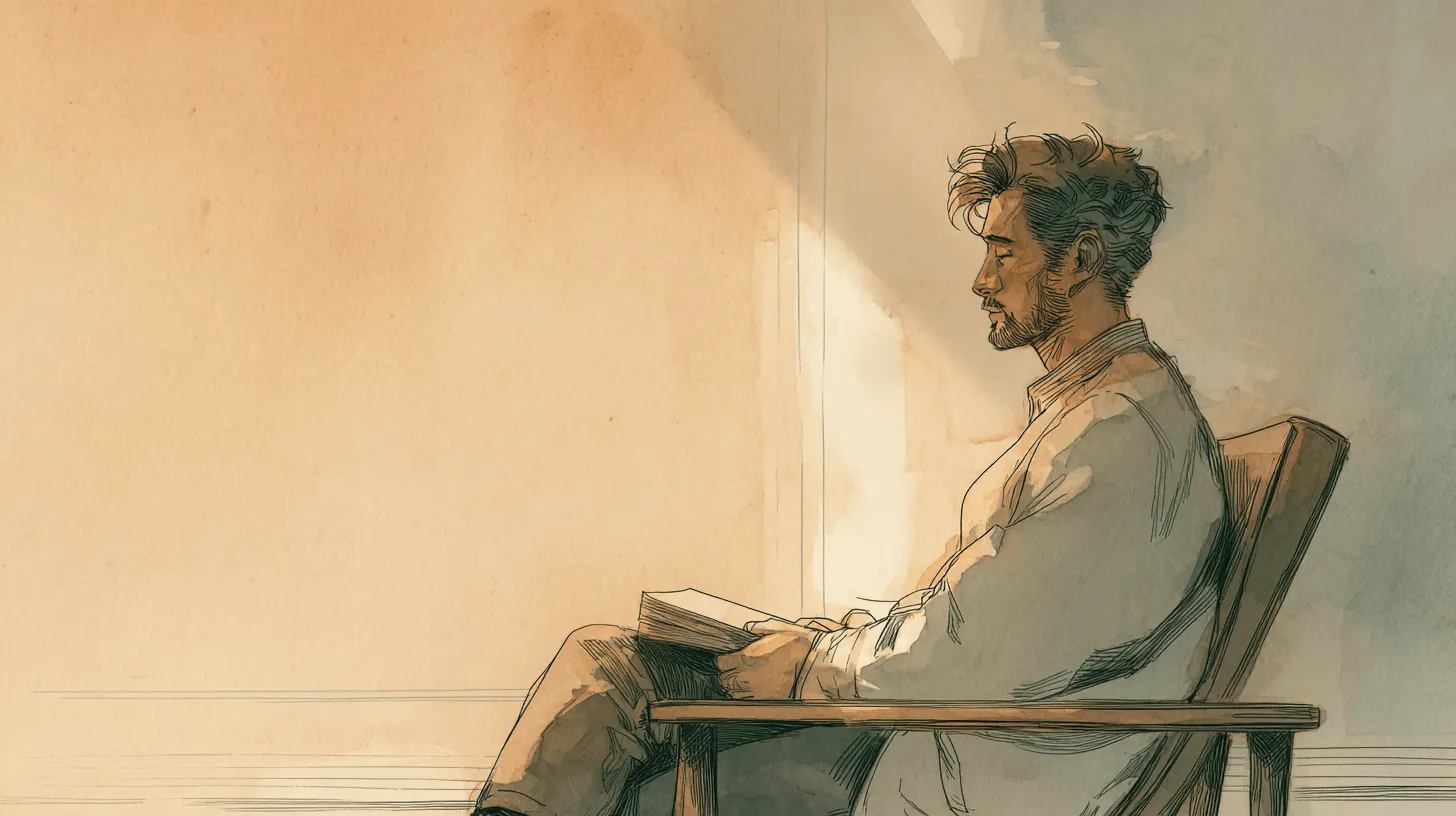
Every father carries a unique story—one filled with triumphs, challenges, wisdom, and moments that fundamentally shaped him into the man your family knows and loves today. Unfortunately, many of these profound narratives remain unspoken, tucked away in memories that may fade over time.
Creating a Life Story Journal for Dad is more than just a thoughtful project; it’s a powerful act of legacy creation that preserves his voice and wisdom for generations to come,. These documented memories constitute a significant part of your “wealth” that goes beyond tangible assets—the intangible guidance and advice that legal documents cannot capture.
If you’re ready to help the dad in your life document his journey, here is a comprehensive guide to starting a Dad Story Journal, including practical tips and specific prompts to get the pen moving.
Related articles
50 Free Dad Journal Prompts
Best Dad Journals in 2026
Father’s Day Journal Gift Ideas
A Dad Story Journal provides profound, dual benefits, positively impacting both the writer and his descendants. This process transforms abstract family history into concrete, cherished treasure.
For the father, the act of reflecting and writing about his life serves as a powerful tool for personal well-being.
*Note on Vulnerability: The process of life review, especially when confronting challenges, can be emotionally difficult. Authenticity, however, is key—the stories that resonate are “real, raw, messy, and vulnerable,” discussing flaws, mistakes, and growth.
For children and grandchildren, the resulting journal is an invaluable guide and a profound connection to their roots.
The best way to start is by choosing a format that suits the father’s preferences for writing and the family’s needs for preservation. For those new to capturing life stories, guided journals are highly recommended as they provide structure and overcome the anxiety of facing a blank page.
| Format Type | Primary Advantage | Archival Quality Considerations |
|---|---|---|
| Physical Journaling | Therapeutic hand-to-mind connection, Tactile heirloom quality. | Requires acid-free archival paper and covers for longevity. |
| Digital Journaling | Portability, searchability, superior security (password/biometrics),. | Ensures security against physical damage and reliable cloud backup. |
| Oral History/Interview | Captures the unique sound of his voice and tone. Faster/less daunting than writing from scratch. | Requires transcription for maximum utility and integration into a written book. |
The most robust approach is the Hybrid Approach: capture the initial emotional and raw content using a physical journal or an audio interview, and then transcribe and back up the final narrative digitally in a secure environment.
For a physical journal that will become a true heirloom, look for quality materials:
Sustaining a life-story project requires consistent effort, not just bursts of inspiration. Use these strategies to make journaling a permanent, enjoyable routine:
Clarify the project’s “why.” Is the goal to manage stress, practice gratitude, or primarily leave advice for future generations,? Also, define the target audience (e.g., grandchildren or distant family researchers). This shapes the level of detail and discretion used in the narrative.
Crucial Privacy Tip: If the journal is not strictly private, the father should explicitly state the privacy boundaries and who the intended audience is in writing within the journal, especially if it contains personal or vulnerable reflections.
If the blank page feels intimidating, try separating the emotional processing from the final edited product:
Guided prompts ensure the legacy is holistic, capturing not just milestones but the nuanced character and values of the father. Encourage the writer to focus on specific moments and sensory details—like the smell of a family recipe or his uncle’s signature belly laugh—rather than broad statements.
| Module | Focus Area & Themes | Sample Prompts & Questions |
|---|---|---|
| I. Beginnings & Identity | Origins, childhood, family background, and formative experiences. | What is your earliest memory?. Describe the house you grew up in and what your neighborhood was like,,. What did your parents do for a living? What were their political or religious beliefs?. What stories did you hear about earlier ancestors whom you never knew?. |
| II. The Journey | Education, career, defining achievements, and moments of growth. | What did you think you wanted to be when you grew up?. What was your first job, and what were your specific responsibilities?. What challenges shaped you the most, and what did you learn from them?. Who was the greatest influence in your life growing up?. What were your favorite subjects and teachers in school?. |
| III. Family & Bonds | Relationships, transition to fatherhood, parenting experiences, and traditions. | How did becoming a father change your life?. How did you feel when you found out you were going to be a dad?. What were the best and worst parts about raising your children?. What is your best relationship advice?. Which family traditions mean the most to you, and how did they start?. |
| IV. Wisdom & Legacy | Core values, life advice, self-reflection, and hopes for the future. | What do you value most in life? What family values do you hope to pass down?. What is the best advice you have ever received—and from whom?. What’s a mistake you made that taught you something valuable?. What is one piece of advice you wish someone had given you when you were 18?. What legacy do you hope to leave behind?. |
Creating a Dad Story Journal is a commitment, but the finished product—a book filled with his own words, wisdom, and memories—is a priceless inheritance,. This project ensures that his story, his values, and his voice continue to influence and support future generations.
For families seeking resources to start their journey, numerous professional tools exist, ranging from guided journals to comprehensive services:
Don’t let the weight of perfection stop you. Start today with a simple conversation or a single prompt. That single sentence might become the cornerstone of a legacy your family will cherish forever.